
Local Elections: A Volatile Change of Path!
As British politics becomes increasingly fragmented, many will be looking to insurgent parties and how they perform in the upcoming elections. Who are the big winners, and who are the losers?

With just under 40 days until the local elections in Britain, many will wonder what the political forecasters and pollsters have to say. To some who support insurgent parties on both sides of the political spectrum, it may be a shimmer of hope piercing through the current establishment. But to those more founded in traditional parties, i.e. The Conservative and Labour party, they may be grasping on to whatever they can to lose as few seats as possible.
Of course, not all voters will be voting on party-lines; some will be voting for a candidate who is keen on fixing local issues. From potholes to dirty paths to boy-racers speeding through the streets, canvassers and campaigners up-and-down the country will have heard the same-old pleas from the electorate.
But, some want change and may seek an alternative candidate for these elections. So, let’s dive in to what the current outlook on the situation is and, are these desperate times for the larger two parties?
It should be noted that Parliamentary elections greatly differ to local elections. One highlighted case is that of the Worcestershire County Council elections in 2025 which saw the following result: 25 Reform UK, 12 Conservative, 8 Green, 7 Liberal Democrat, 3 independent, and 2 Labour councillors. Clearly, this was a divided election with the insurgent (Reform UK) winning the most seats. Now, will this scenario be replicated elsewhere? Let’s dive deeper.
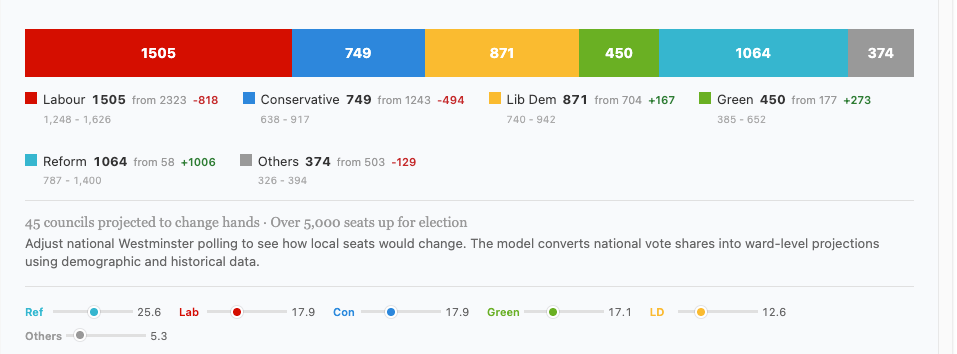
This current project, founded by pollcheck.co.uk based on Westminster and local data, suggests that Labour will retain the most number of council seats, with Reform, Liberal Democrats, and Conservatives following behind respectively. However, Labour are expected to see the largest net loss of all seats. Although it must be acknowledged that these are predictions with Westminster poll influence, this showcases the volatility of the current British political system and how fragmented it may appear from the outside.
“Taken together, along with the Conservatives’ political no-shows in both contests, these by-elections point to a new dynamic of surging political forces to the traditional parties’ left and right.”
Henry Zeffman, BBC Chief Political Correspondent
This quote by Henry Zeffman, BBC Chief Political Correspondent, following the Green party win in the Gorton and Denton by-election, clearly enforces the view that the fragmentation of the political parties is real and may be here to stay. Once a heartland for the Labour vote, we should be asking: are the two major political parties in trouble?
Firstly, the Conservative party has been around for centuries and is somewhat regarded as one of, if not the, most electorally successful political parties in the world. The Labour party has also been very successful on this front, with long spells in government. Both parties have provided a Prime Minister since the Second World War, with the Liberal Democrats entering a coalition with the Conservative Party in 2010.
This might change…
But, Labour are here to stay, most likely until 2029 when a General Election will be expected thanks to the Fixed-Term Parliaments Act 2011. Where these local elections may change things locally, they may change things nationally.
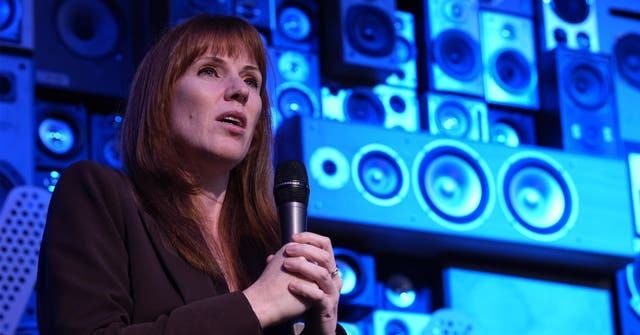
There are talks of a rebellion within the Labour Party, primarily from supporters of Angela Rayner and pushing for someone possibly more left-wing that Starmer, fighting off the Green vote. Suppressing an insurgent party in the First-Past-The-Post electoral system could benefit Labour locally and nationally.
However, the Conservative Party retains the threat to the right of Reform UK, with Nigel Farage on track to still be leader at the general election.
Author Note: The British political system is ever-changing. Finding grounding and understanding in it isn’t. At the time of reading, some information may be outdated, but as of 29/03/2026, it is reasonable to believe it is correct. Thank you for reading the article and please check out some of my other work if you’ve enjoyed it!